
Eli Wyms and the Hidden Defense Clue
The Brass VerdictThis thread follows the apparently routine Wyms case as Haller discovers how Vincent used it to uncover the crucial residue-transfer defense.
increasing Bearing strength in each event
 decreasing
Bearing strength in each eventdecreasingA Night in the Park
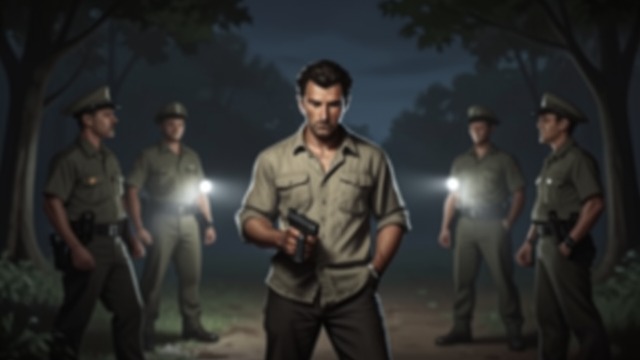
Wyms’s Armed Standoff
A dangerous response
Eli Wyms, drunk and distressed after being expelled from his home, fires repeatedly at night in Malibu Creek State Park. Deputies surround him, and he is eventually arrested without law enforcement firing a shot.
A case that seems simple
The incident produces a substantial weapons case and a seemingly straightforward route to a plea. Nothing in the basic account explains why an elite private lawyer would pursue it pro bono.
Vincent Takes the Case
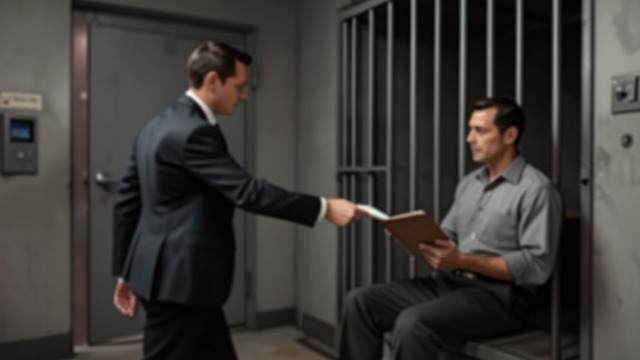
An Unusual Pro Bono Client
A deliberate approach
Jerry Vincent personally approaches Wyms in jail, obtains the case from the public defender, and requests a competency evaluation. The extended evaluation sends Wyms to Camarillo State Hospital for ninety days.
Suspicion of another purpose
The delay does not appear to help Wyms. Haller later learns that Vincent may have kept the case active to investigate an angle relevant to Elliot without revealing his work to the prosecution.
A Missing Case File
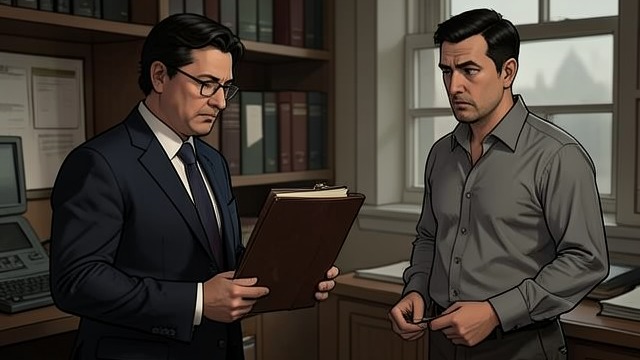
An Inheritance with a Hole
No defense papers
Haller learns he has a hearing for Wyms but cannot find the original file. The briefcase stolen from Vincent may have contained it, leaving only prosecution discovery to reconstruct the case.
A revealing question
Haller wonders why Vincent accepted the matter and asks both the prosecutor and former public defender. Their accounts confirm that Vincent sought Wyms out rather than merely receiving a referral.
The Shared Patrol Car

Two Cases Intersect
A coded designation
Haller notices that the Elliot scene deputies and Wyms arrest records share the 4-alpha designation. He realizes it refers to a patrol unit, not one particular officer.
A new defense theory
The same patrol car carried Wyms, who had fired dozens of rounds, and later carried Elliot with his hands cuffed behind him. Haller sees a possible explanation for the residue that seemed to implicate Elliot.
The Transfer Defense
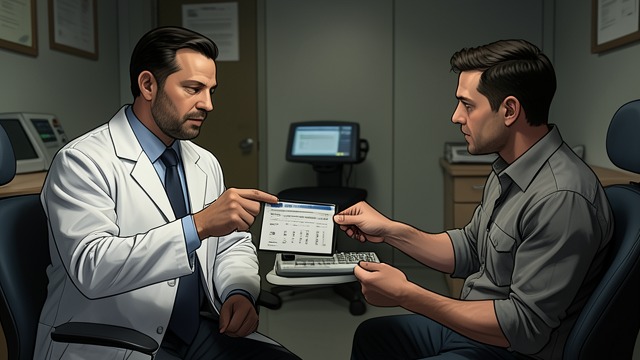
Residue Without a Shot
A scientific explanation
Shamiram Arslanian explains that gunshot residue can transfer between surfaces. She links the positive tests on Elliot to his contact with a patrol-car seat previously occupied by Wyms.
A central doubt
The pattern on Elliot’s hands and clothes, she argues, does not match the expected pattern from firing a gun. The testimony gives the defense a strong alternative to the prosecution’s central forensic evidence.
May 2, 2007, before dawn
Several months before the Elliot trial
The Thursday Haller discovers Wyms is on his calendar
During Haller’s overnight review of the case files
During Shamiram Arslanian’s testimony
